
The Psychology of Unboxing: Why Packaging is a Marketing Tool
Updated: Oct 28, 2025
Author: Natalia Ferková
In today’s digital world, the packaging and unboxing experience has become one of the most powerful engagement moments between brands and their customers. In the past, unboxing was just a simple act of opening a package; however, it has evolved into a form of storytelling, entertainment, and emotional connection. As a result, the packaging of products has become an essential element of the overall brand experience. It is the first contact and impression with a brand. Customers expect packaging that not only protects the product but also delivers delight and anticipation. The initial impression decides if customers will repeat the purchase and stay loyal to the brand.
Packaging as a Strategic Marketing Tool
Packaging has become one of the most successful strategic marketing tools as it goes far beyond its functionality. The colors, design, logo, materials, and even the way a box opens all tell a story. It communicates brand values, attracts attention, but most importantly, it helps to differentiate a product in a crowded marketplace. Packaging directly influences consumer perceptions and purchasing decisions of customers. Thoughtful packaging can act as a form of silent marketing, as it builds anticipation and attracts consumers. Moreover, in today’s digital and social media era, packaging plays an essential role in brand visibility and storytelling. A beautifully created and designed unboxing moment encourages customers to share their experience on social media, which automatically generates user-generated content (UGC) that organically increases brand awareness. Brands often use special packaging and PR boxes for influencers, creating an effective way to promote their products. These boxes are designed to be Instagram-worthy and visually stunning, which motivates influencers to share their experience on social media. Influencer marketing not only increases brand visibility but also builds trust. Customers are more likely to purchase a product when they see their favorite influencer enjoying it.
The Psychology Behind Unboxing
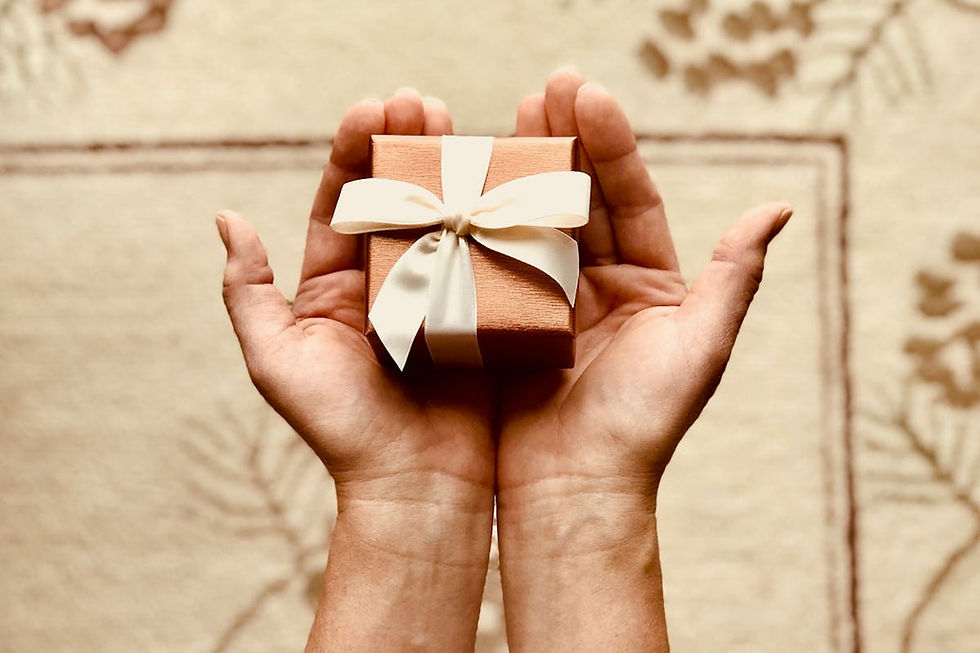
Why is unboxing so exciting for customers? Let’s dive deeper into the psychology behind unboxing. The moment before opening the box triggers a dose of excitement, which activates the brain’s reward system. Then dopamine floods our system, which enhances anticipation and pleasure. This emotional high connects with brand memory and increases repeat purchase intent. The packaging can also be connected to the perceived value of the brand. Well-designed packaging elevates the product; according to studies, consumers associate higher-quality packaging with higher-quality products. Moreover, unboxing is a multisensory ritual. It stimulates multiple senses, creating an immersive experience. The most important sense is vision, with colors, typography, or layout setting the tone. Then comes touch with different textures, materials, or even the weight of the packaging. For example, a matte finish feels premium while cheap materials can suggest a lack of quality. The last sense that can be stimulated while unboxing is hearing. For instance, the peeling of stickers or the crinkling of paper can contribute to satisfaction and memorability.
Real-World Examples
One of the most famous and standout brands that is popular for its minimalist packaging is definitely Apple. They are called the masters of minimalism as every detail of their packaging enforces precision, innovation, and also luxury. But why does it work? Every layer has a purpose, when opening an Apple product, it feels ceremonial. The packaging reflects the product’s sophistication and reinforces its premium image. Another real-life example, which is known for its sustainability, is Lush. Their style is more colorful and eco-friendly; however, the packaging is often described as “naked” because they do not have special packaging, or their products are just wrapped in recycled paper. It communicates the brand’s values and attitudes toward sustainability, which makes them authentic. And the last example, which is very iconic and elegant, is Chanel. Linked to the brand's colors and typography, their packaging is black and white with a bold logo and luxurious materials. It has barely changed for decades, which is proof of timeless elegance.
Tips for Brands: How to Optimize Packaging
Firstly, it is important to know your audience and what works for them. For example, Gen Z loves expressive but sustainable designs, while millennials prefer minimalist aesthetics with personalization. Therefore, it is essential to have your marketing persona and to know what will be successful. Secondly, packaging must be aligned with your brand. Every detail, whether it is typography or colors, must be recognizable. The third tip is to test different packaging styles. By doing this research, you will see how different styles will affect first impressions and repeat purchases. Lastly, you should encourage customers to post-purchase engagement, for instance, add QR codes, personalized thank you cards, or cards with coupons for another purchase, which will motivate customers to purchase another product.

Conclusion
To conclude, product packaging has become an essential element of the entire brand experience. It shapes first impressions, reinforcing brand identity, creating memorable moments for consumers, and shaping customers' perception of a brand. From the anticipation of unboxing to the sensory satisfaction it delivers, packaging can evoke emotions, embrace loyalty, and turn first-time buyers into long-term ones. Ultimately, packaging is not just wrapping a product in paper; it represents storytelling and an emotional connection with customers. Brands that understand the psychology behind the unboxing and create thoughtful packaging design and details will not only capture attention but also create long-lasting connections with their customers.
You can also read about:


